Designed to open.
Engineered to seal.
Reusable syringes and IV sets depend on a loose plastic cap to stay sterile. It gets left off, set down, or lost mid-shift — and the tip pays for it. We designed two ways to remove the cap as a point of failure, not just remind people to use it.

A cap is not a system. It's a single point of failure.
Every existing safeguard — alcohol wipes, disinfecting caps, careful technique — depends on someone doing the right thing, every time, under time pressure. The data says that doesn't hold.
Why caps fail in practice
- Loose, separate component — easy to drop, misplace, or set on an unsterile surface
- Time pressure leads to skipped or rushed re-capping
- Once contaminated, the cap becomes a contamination source, not a barrier
- No way to visually confirm the cap — or the surface beneath it — is still sterile
Clinical consequence
- Open-lumen setups like stopcocks are frequently left uncapped and directly exposed
- Hub/connector contamination is the leading cause of maintenance-related CLABSIs
- Existing fixes treat the symptom — disinfecting a surface — not the failure point itself
- CLABSIs are largely preventable, yet cost ~$46,000 per case on average
Remove the cap as a decision, not a habit
One concept is built and physically prototyped now. The second is a proposed direction we're pursuing once medical-grade antimicrobial silicone is sourced — both aimed at the same failure point from different angles.
Integrated Hinge Cap
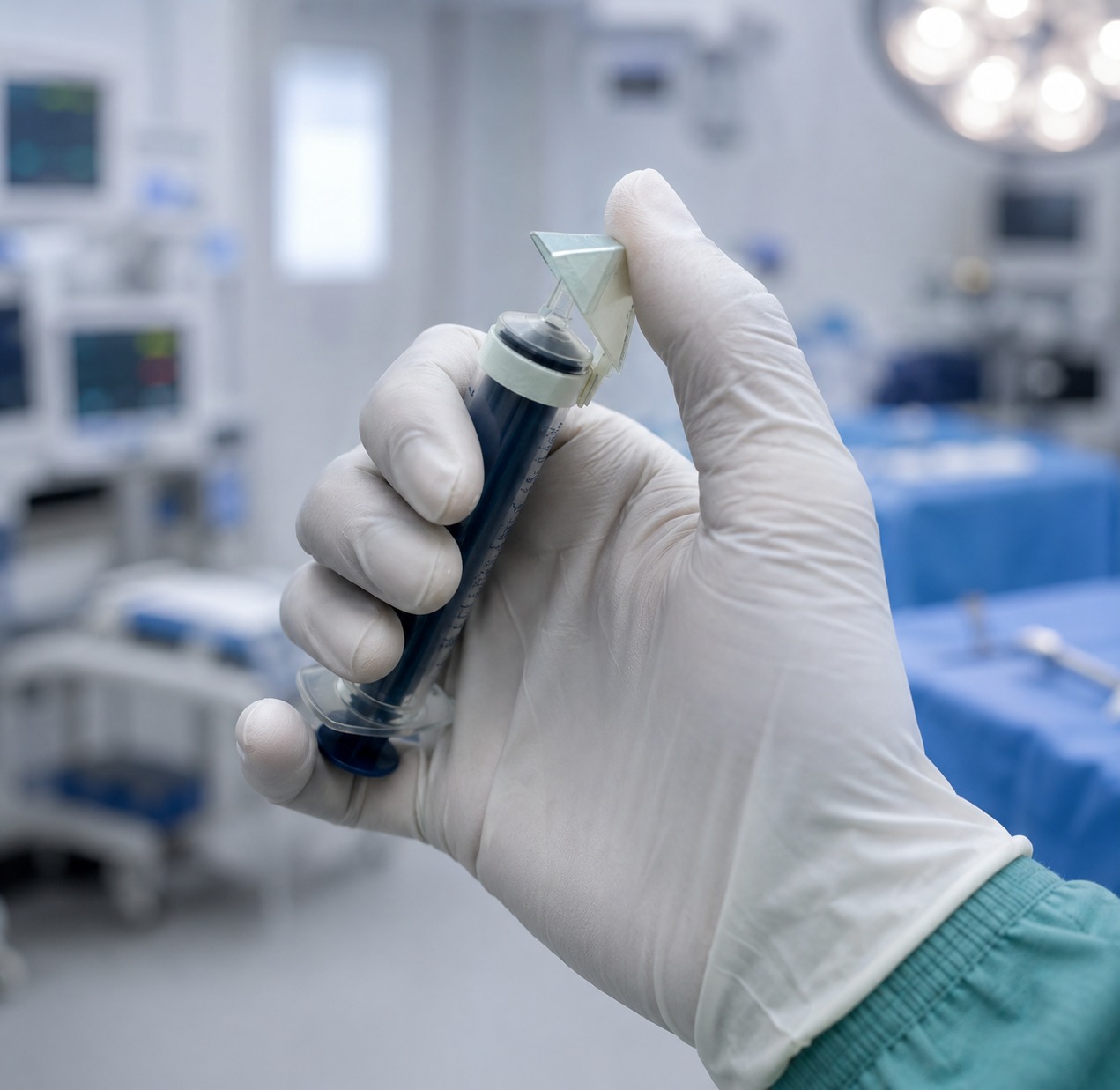
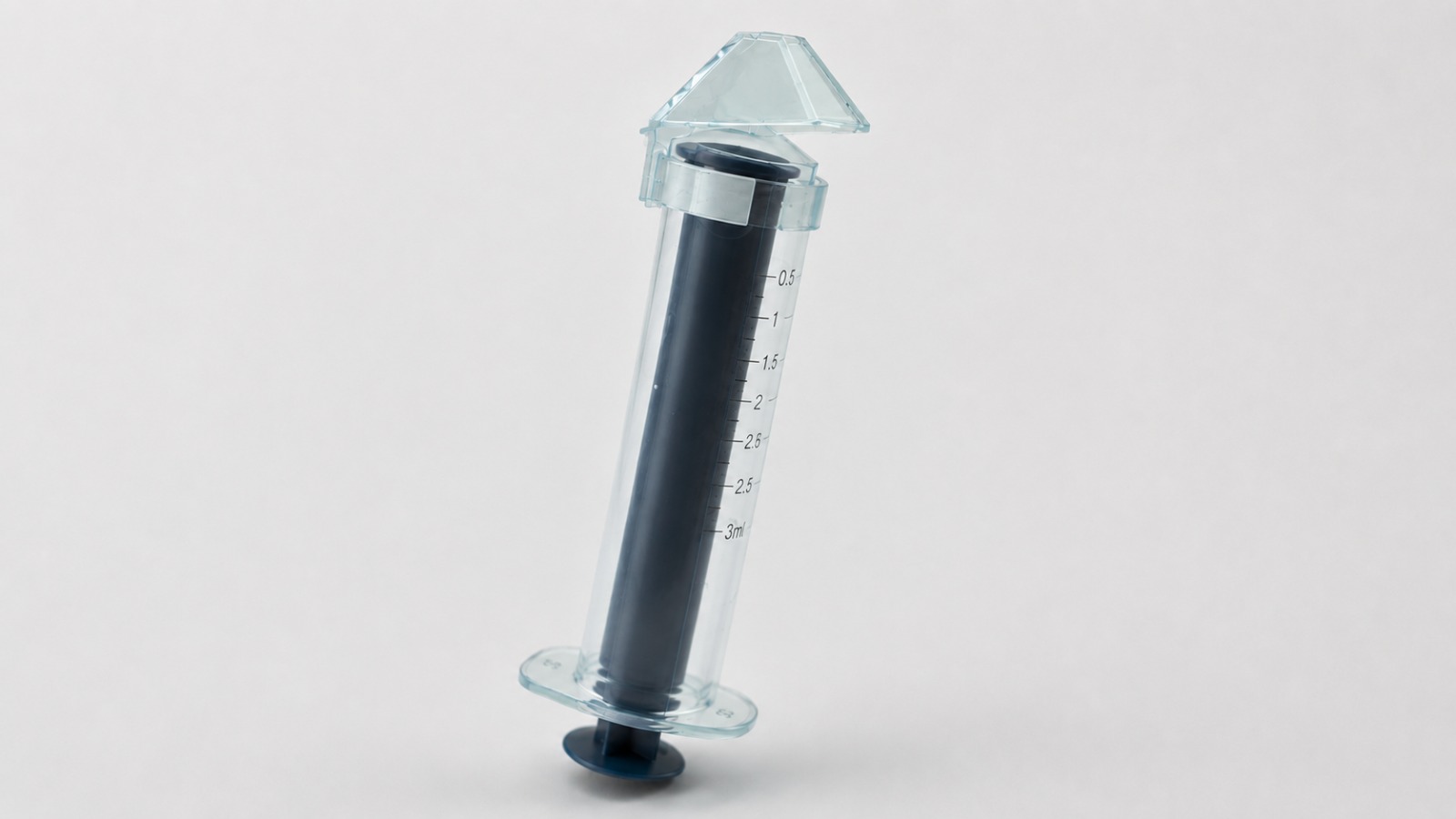
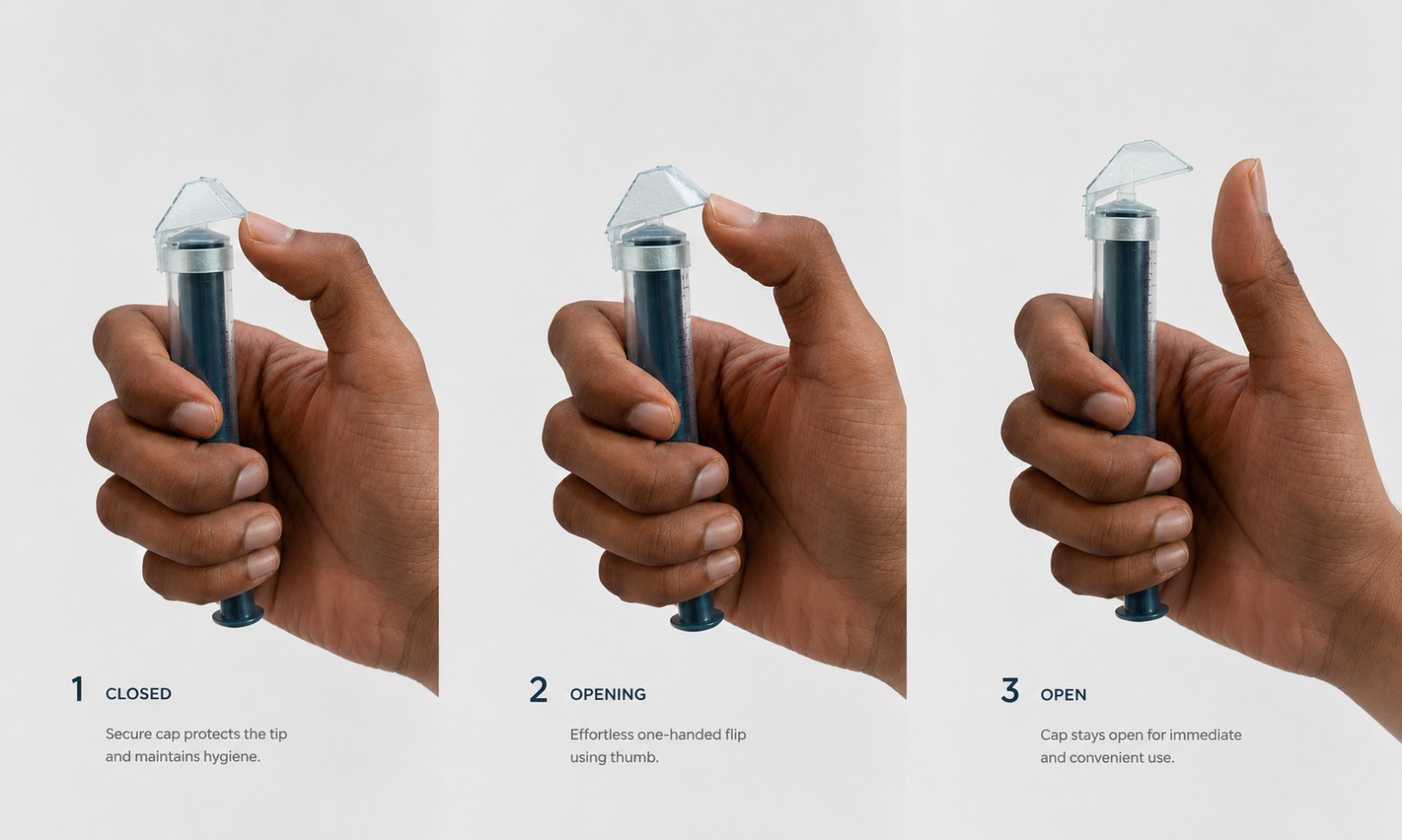
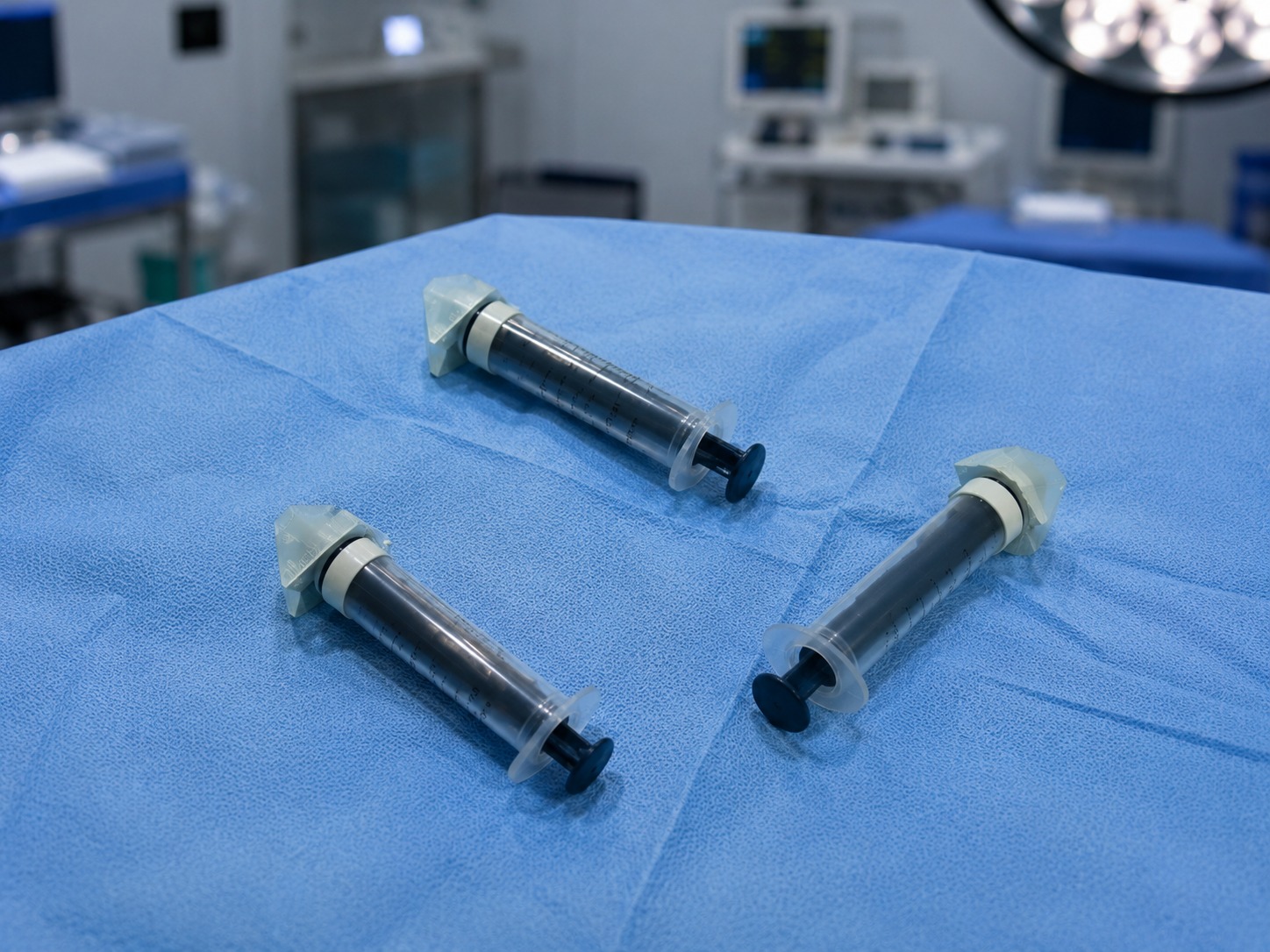
A cap molded directly onto the barrel rim. It swings open to use, swings closed to protect — and it is physically never a separate piece.

- Single-piece injection-molded barrel + hinge-cap, medical-grade polypropylene
- One-handed open/close motion — mirrors familiar flip-cap handling
- Wedge geometry fully encloses the luer tip when closed
- Standard luer-lock compatible, no change to hospital workflow
Single-Slit Self-Sealing Silicone Cap
No separate cap to lose at all. A single-slit bud of medical-grade silicone retracts on connection and closes itself the instant the line is disconnected.

- Retracts like a bud when the IV set connects, sealed by a single self-sealing slit
- Closes back to its original shape by itself the moment it's detached
- No separate component exists — nothing to drop, lose, or forget
- Medical-grade silicone; sterilizable (EO / autoclavable); latex-free, biocompatible

Grounded in published clinical data
Four studies anchor the problem statement and the design direction — spanning needleless connectors, intra-operative syringe handling, and reusable equipment.
Disinfection of Needleless Connector Hubs: Clinical Evidence Systematic Review
Bacterial Contamination of Intravenous Fluids and Drugs in Anaesthetic Practice
Transmission of Pathogenic Bacterial Organisms in the Anesthesia Work Area
Microbial Contamination on Cuff Syringe & Surroundings in the OR
The market is large, the fix is cheap
Medicine, engineering, and design in one room
Clinician — Dr. Kundan Gosavi